
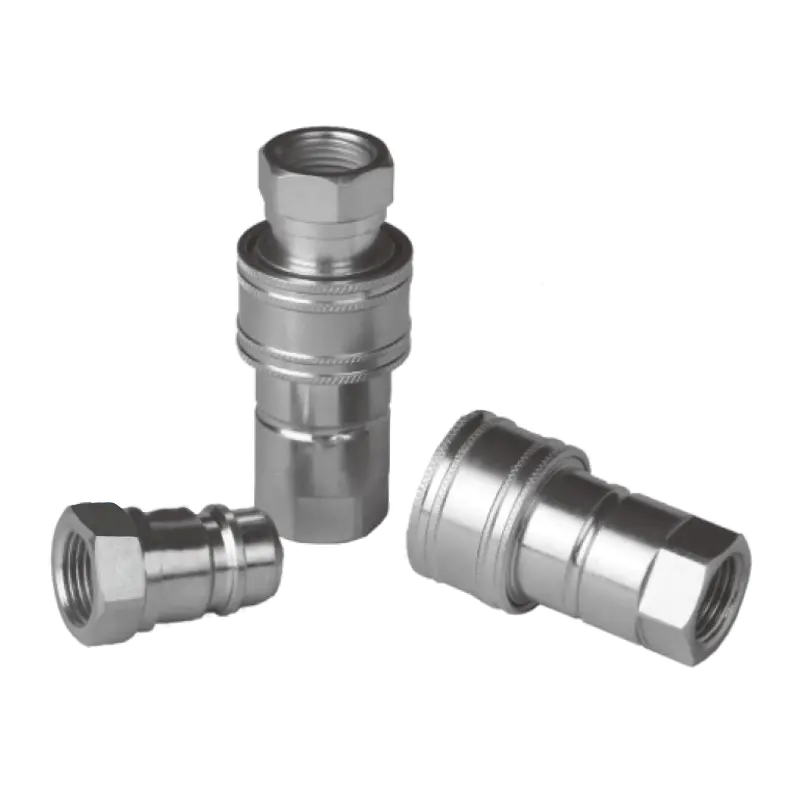
Two-Stage Locking Mechanism
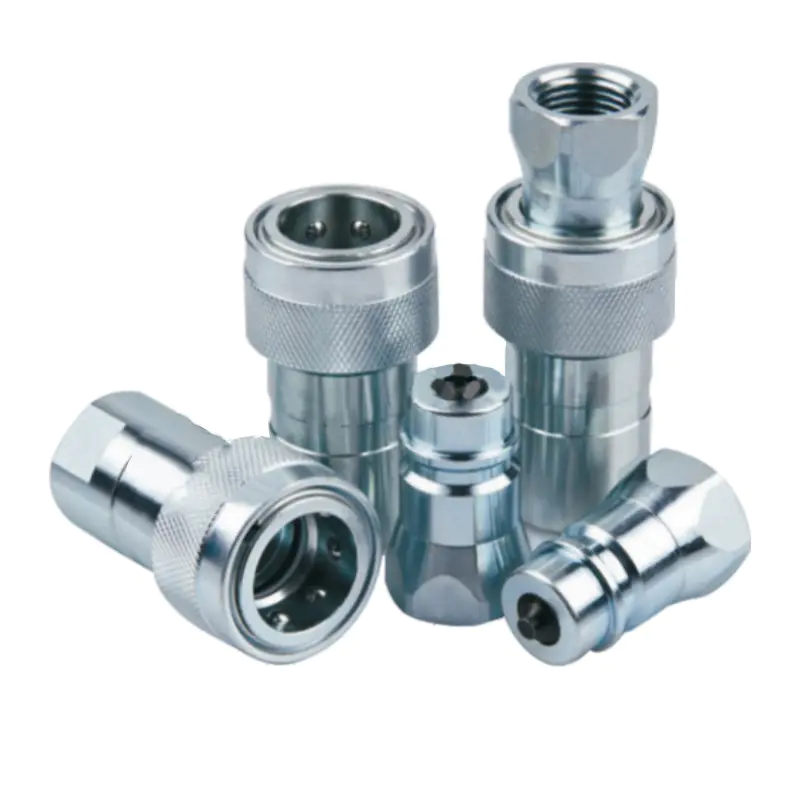
The two-stage locking mechanism is an integral feature of double shut-off hydraulic quick couplings that provides enhanced security during coupling and uncoupling processes. The first stage involves a valve or sleeve system that prevents fluid from flowing as the coupling is being disconnected, ensuring no fluid leakage occurs during the connection or disconnection process. The second stage involves the mechanical locking feature, which locks the coupling components in place once the coupling is connected. This prevents accidental disconnections under high pressure or mechanical shocks. The mechanical lock requires a deliberate action (such as turning or pulling a collar) to disengage, ensuring that the coupling remains secure in high-pressure environments, where fluid movement or vibration could otherwise compromise the integrity of the connection.
Spring-Loaded Locking Mechanism
A common feature in double shut-off hydraulic quick couplings is the spring-loaded locking pin or ball, which is designed to automatically engage once the male and female coupling parts are aligned. This spring-loaded pin ensures that the coupling is held in place and prevents any accidental disconnection, even under high pressures or external vibrations. The tension provided by the spring helps maintain the integrity of the connection by providing continuous pressure on the locking pin, ensuring that it stays engaged. The use of spring-loaded mechanisms adds an extra layer of security in hydraulic systems that experience constant movement, vibration, or sudden shifts in pressure. By employing high-strength steel or corrosion-resistant alloys in the construction of these pins and springs, manufacturers ensure that the locking mechanism is not only resilient to mechanical stresses but also resistant to wear and fatigue over time.
Positive Engagement with Positive Feedback
The design of double shut-off hydraulic quick couplings often includes positive engagement mechanisms, ensuring that the male and female parts of the coupling are fully connected before any fluid is allowed to flow through the system. This ensures that the coupling cannot function unless the connection is secure, preventing fluid leakage and system failures. Positive engagement is typically indicated by tactile feedback (such as a “clicking” sound or mechanical snap) that confirms the coupling has fully engaged. Visual indicators or markings are sometimes included, allowing operators to verify that the coupling is correctly connected. This feature is especially important in high-pressure or high-flow applications where even a small misalignment could lead to significant system failures. Positive engagement mechanisms also act as a safeguard to ensure that the coupling will not release under pressure, giving operators confidence that the hydraulic system is operating safely and efficiently.
Locking Under High Vibration and Shock Loading
Double shut-off hydraulic quick couplings are often exposed to environments where vibration and shock loading are prevalent, such as in mobile machinery, construction equipment, and offshore platforms. The locking mechanism in these couplings is specifically designed to resist the forces caused by vibrations, preventing the coupling from loosening or disconnecting under dynamic conditions. The coupling’s mechanical lock, whether a ratchet, ball lock, or spring-loaded pin, is designed to engage securely even under fluctuating forces. These mechanisms are made from high-tensile, wear-resistant materials, ensuring that they remain functional and reliable despite continuous exposure to mechanical stress. Additionally, the locking components are carefully engineered to withstand shock loading, which occurs when the coupling is subjected to sudden, intense forces. This ensures the integrity of the connection, even in applications where heavy machinery is subject to abrupt starts and stops.
Anti-Disconnection Features
To further enhance the safety of the connection, double shut-off hydraulic quick couplings feature anti-disconnection mechanisms that prevent the coupling from being unintentionally disengaged. Common anti-disconnection mechanisms include locking collars or ratcheting mechanisms that require intentional action to release the coupling. The ratchet system ensures that the coupling can only be disconnected when the operator actively disengages the locking mechanism, making it impossible for the coupling to accidentally come apart during operation. Similarly, locking collars often feature a spring-loaded mechanism that automatically engages when the coupling parts are connected, providing an additional layer of security that prevents accidental disconnection even in high-pressure or high-vibration applications. These features are essential in ensuring that the coupling remains securely engaged in challenging operating environments, such as those found in offshore oil rigs, construction sites, and industrial applications where unexpected disconnections could lead to significant downtime or safety hazards.
Hydraulic and Pneumatic Locking Integration
In some advanced double shut-off hydraulic quick couplings, the locking mechanism is integrated with the hydraulic or pneumatic system itself, providing additional control over the coupling’s security. When the coupling is mated, hydraulic or pneumatic pressure can be applied to forcefully engage the locking mechanism, ensuring that the coupling parts are securely locked into place before any fluid flow is allowed. The use of hydraulic or pneumatic pressure to secure the lock offers a higher level of reliability, as the coupling cannot be disconnected unless the pressure is relieved. This mechanism is often used in systems where quick disconnection is necessary, such as in automated equipment or high-flow systems, where fast coupling and decoupling are required. This integration ensures that once the coupling is connected, it is locked firmly, even under high operational pressures, without the risk of accidental release. The integration of these systems provides additional operational efficiency and safety, making the coupling process more automated and secure.
