
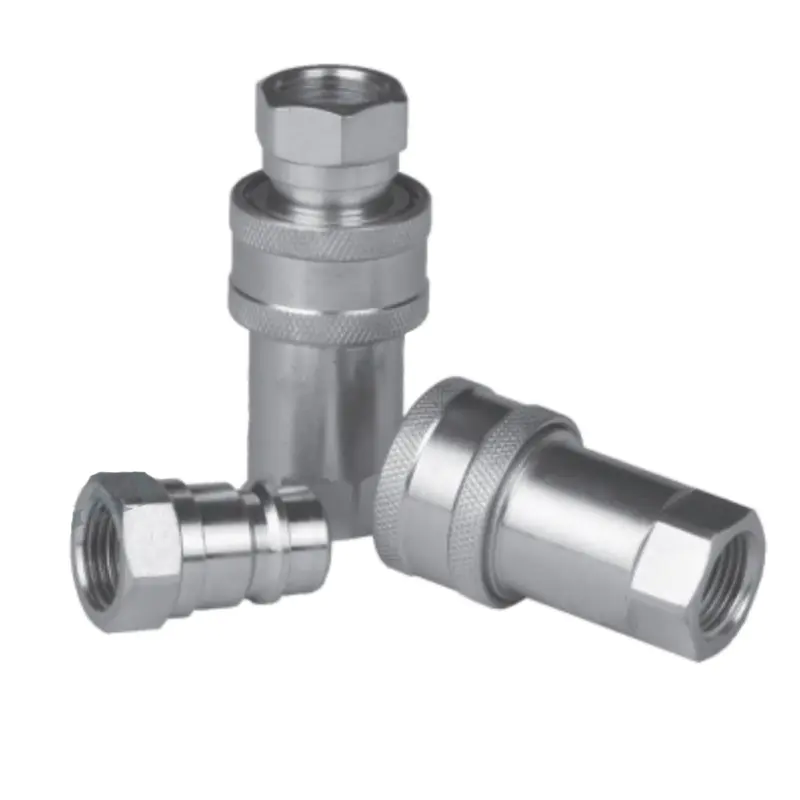
Dust Caps Prevent Contamination
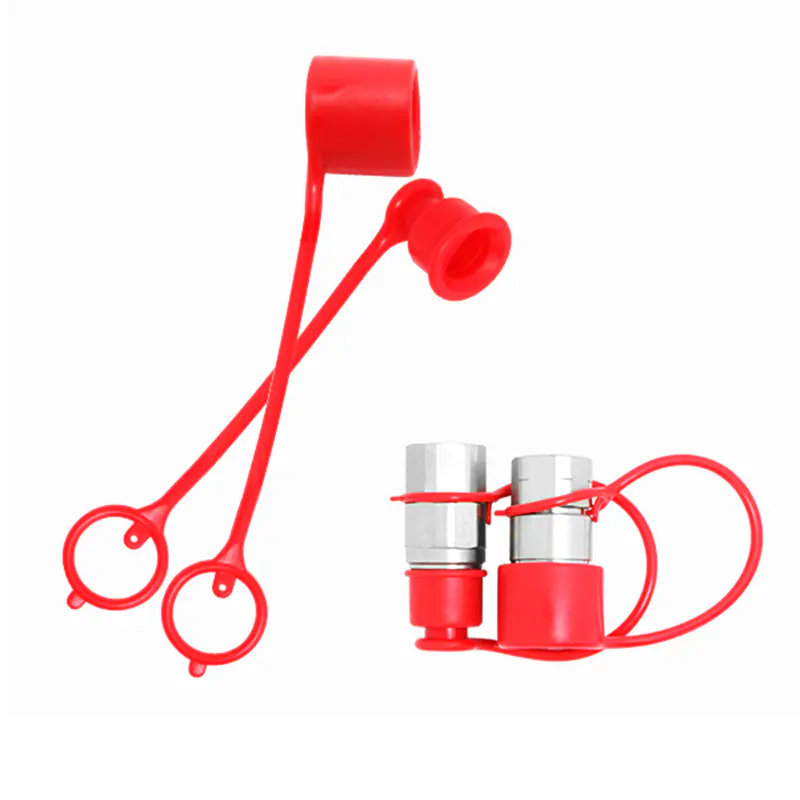
The primary function of a hydraulic fitting dust cap is to prevent dirt, debris, and moisture from entering hydraulic connections. By forming a secure seal over unused fittings, dust caps maintain system cleanliness, which is critical for avoiding contamination-related failures. Proper use of dust caps can reduce hydraulic component wear and system downtime by up to 40%.
Material Selection and Contamination Resistance
Dust caps are typically manufactured from durable materials such as high-density polyethylene (HDPE), polypropylene, or aluminum. HDPE and polypropylene offer excellent resistance to chemicals and UV exposure, making them ideal for outdoor hydraulic systems. Metal caps, like aluminum or stainless steel, provide superior mechanical strength and are often used in heavy-duty or high-pressure applications.
Material choice directly impacts the ability of a dust cap to prevent contamination. For instance, polyethylene caps can resist hydraulic fluid absorption, ensuring contaminants do not adhere to the interior surface of the cap.
Sealing Mechanisms and Fit
The effectiveness of a hydraulic fitting dust cap depends largely on its sealing design. Many caps utilize an interference fit, where the cap slightly compresses over the fitting to form a secure barrier. Others incorporate O-rings or gasket seals to enhance the protection against fine particulates and moisture.
Example: In a standard ISO 1219 hydraulic system, using O-ring sealed dust caps reduced fluid contamination particles from 12 microns to less than 2 microns, demonstrating significant protection for sensitive components such as pumps and valves.
Environmental Considerations
Hydraulic systems are often exposed to harsh environmental conditions such as dust, rain, and extreme temperatures. Dust caps must resist UV degradation, chemical exposure, and temperature fluctuations.
- UV-resistant polyethylene prevents brittleness in outdoor applications.
- Stainless steel dust caps resist corrosion in saline or humid environments.
- High-temperature polypropylene caps maintain seal integrity up to 120°C.
Design Variations and System Compatibility
Hydraulic fitting dust caps come in multiple designs to fit quick-connect couplings, threaded fittings, and flanged systems. Choosing the correct cap ensures full coverage and contamination prevention.
| Cap Type | Fitting Compatibility | Environmental Use |
|---|---|---|
| Push-On Plastic Cap | Quick-Connect Couplings | Indoor/Outdoor, Moderate Pressure |
| Threaded Metal Cap | NPT and BSP Threads | High Pressure, Harsh Environments |
| O-Ring Sealed Cap | Hydraulic Valves and Manifolds | Critical Contamination-Sensitive Systems |
Maintenance and Best Practices
Regular inspection and replacement of hydraulic fitting dust caps are critical to maintaining system cleanliness. Dust caps should be cleaned before reuse, and damaged caps should be replaced immediately.
- Inspect caps for cracks, deformation, or chemical damage every 6 months.
- Ensure caps are fully seated after each connection removal to maintain a seal.
- Store spare caps in a clean, dry environment to prevent contamination before use.
Impact on System Longevity
Consistent use of hydraulic fitting dust caps can significantly extend the lifespan of hydraulic components. Systems that employed proper dust capping protocols reported a 25-35% reduction in premature pump and valve failures. Cleanliness maintained by dust caps reduces abrasive wear, contamination-induced clogging, and overall maintenance costs.
In addition, well-maintained dust caps enhance operational reliability, especially in industries like construction, agriculture, and manufacturing, where equipment uptime is crucial.
The design of a hydraulic fitting dust cap plays a pivotal role in preventing contamination, protecting critical hydraulic components, and improving system longevity. Material selection, sealing mechanisms, environmental resistance, and adherence to best practices all contribute to effective contamination prevention. Implementing proper dust cap protocols ensures a cleaner, more reliable hydraulic system, reducing downtime and maintenance costs.
