
Versatility of Brass Quick Coupler for Air and Water Applications
The Brass Quick Coupler can be used for both air and water applications. However, its suitability for these two mediums depends on various factors such as pressure, temperature, and material compatibility. While brass is a robust material offering durability, its performance can be influenced by the specific demands of air or water systems. In many cases, it is the perfect choice for systems where both air and water are handled under moderate pressure ranges.
What is a Brass Quick Coupler?
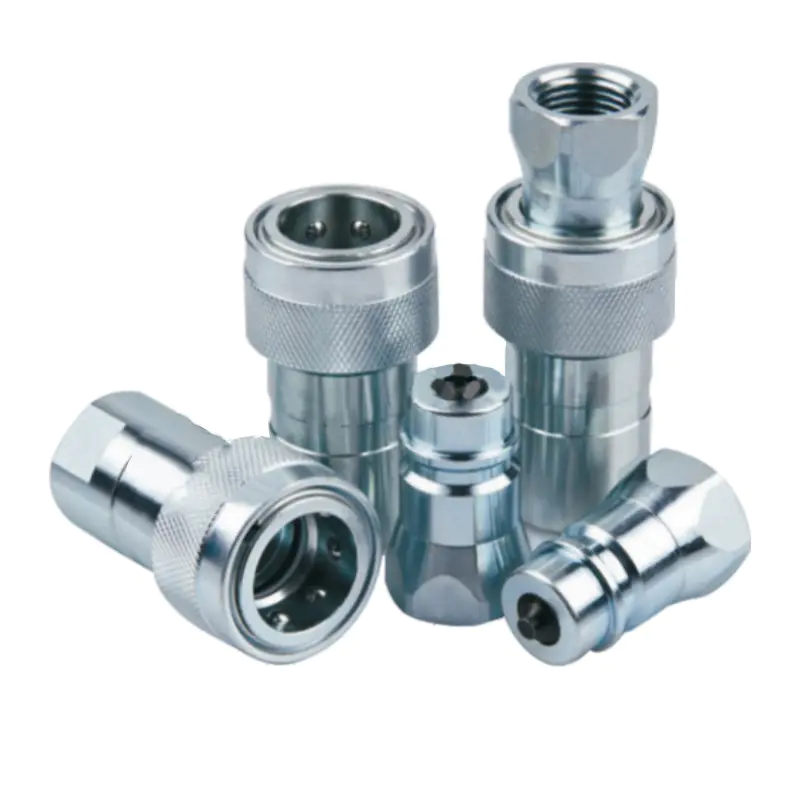
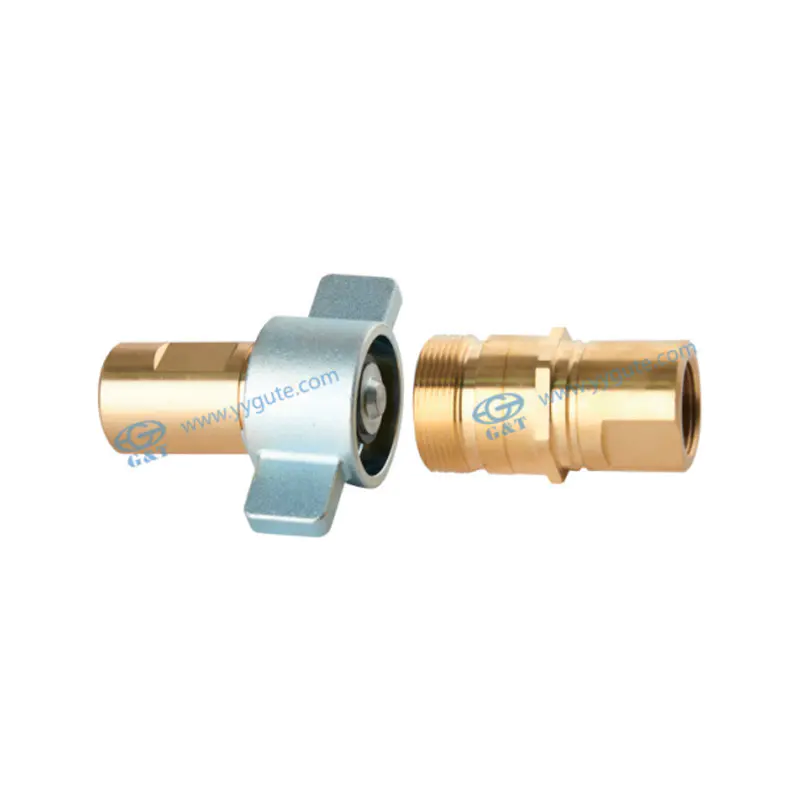
A Brass Quick Coupler is a mechanical device designed to connect and disconnect hoses or pipes easily. Typically used in industrial and manufacturing environments, it provides a quick, secure connection for transferring liquids, gases, or compressed air between systems. Made from brass, these couplers are known for their durability, resistance to corrosion, and ability to handle varying pressures. In most cases, quick couplers provide a secure and leak-proof seal that can withstand high levels of wear and tear.
How Does a Brass Quick Coupler Work?
The Brass Quick Coupler typically works by using a spring-loaded mechanism that allows users to quickly connect or disconnect hoses without requiring complex tools or additional components. The coupling is designed to create a tight seal when connected, preventing leaks and ensuring a secure flow of air or water. The user simply has to push the coupling parts together until they lock into place, and to disconnect, the coupling is manually released by disengaging the lock.
Factors Affecting Suitability for Air and Water Applications
While the Brass Quick Coupler can be used for both air and water systems, there are several factors that influence its performance in each case. Let’s explore these:
- Pressure ratings: Different applications often have varying pressure needs. While air systems typically use a wider range of pressures, water systems may demand higher pressure resistance, especially in industrial settings.
- Temperature conditions: Brass is generally stable under a variety of temperatures, but extreme heat or cold can degrade its performance, particularly in water systems exposed to freezing temperatures.
- Seal compatibility: The sealing components within the Brass Quick Coupler, such as O-rings, must be suitable for both air and water mediums. Special attention is needed when choosing the right coupler for corrosive or high-temperature water applications.
- Flow rate: Air applications often require higher flow rates, which could impact the choice of coupler size and design. Water systems may not need the same flow rate capabilities, but pressure variations could make certain models more suited for these systems.
Air Applications: Brass Quick Coupler in Use
The Brass Quick Coupler is commonly used in compressed air systems due to its ability to handle the high pressures found in pneumatic tools and air-powered machinery. In air systems, quick couplers are ideal for rapid connections and disconnections, especially in industries such as manufacturing, automotive, and construction. Brass, with its resistance to corrosion and wear, makes it a preferred material for such systems, as it can withstand the repeated cycles of air pressure without failure.
In an air application, the Brass Quick Coupler ensures a secure seal under pressure, preventing leaks while maintaining optimal airflow. Its ease of use allows workers to connect and disconnect hoses quickly, ensuring minimal downtime between operations. However, it is important to consider the pressure range and ensure the coupler meets the requirements of the system, as excessive pressure could cause the coupling mechanism to fail or leak.
Water Applications: Brass Quick Coupler’s Performance
In water applications, the Brass Quick Coupler is often used for low- to medium-pressure systems, such as irrigation, water distribution, and certain industrial processes. Brass has excellent corrosion resistance, especially in fresh water, making it an ideal choice for systems where durability and longevity are key concerns. However, the coupler’s suitability for use in high-temperature or high-pressure water systems may be limited unless specially designed or fitted with appropriate sealing materials.
It is important to consider the water quality as well. In areas with hard water or high mineral content, brass may corrode more rapidly. Therefore, users should assess their water’s chemical composition before opting for a brass coupler. For potable water systems, regulatory standards must be met, and users should confirm that their chosen coupler complies with safety requirements.
Advantages and Disadvantages of Using Brass Quick Coupler for Air and Water
Advantages
- Durability: Brass offers excellent resistance to corrosion, especially in low- to moderate-pressure systems.
- Ease of Use: Quick couplers allow for fast connection and disconnection, enhancing workflow efficiency in industrial applications.
- Versatility: Suitable for both air and water, though application-specific requirements must be considered.
Disadvantages
- Limited Pressure and Temperature Range: Brass couplers may not be suitable for very high-pressure or high-temperature applications without additional modifications.
- Susceptibility to Corrosion in Harsh Environments: Although brass is resistant to many types of corrosion, certain harsh chemicals or saltwater may degrade the material.
The Brass Quick Coupler is a versatile solution for both air and water applications. However, its suitability for either medium depends on the specific operational conditions, such as pressure, temperature, and water quality. For most industrial uses, it provides an efficient, durable solution. Users should ensure they select the correct coupler based on their specific requirements to maximize its effectiveness and avoid potential issues related to pressure, corrosion, and seal integrity.
