
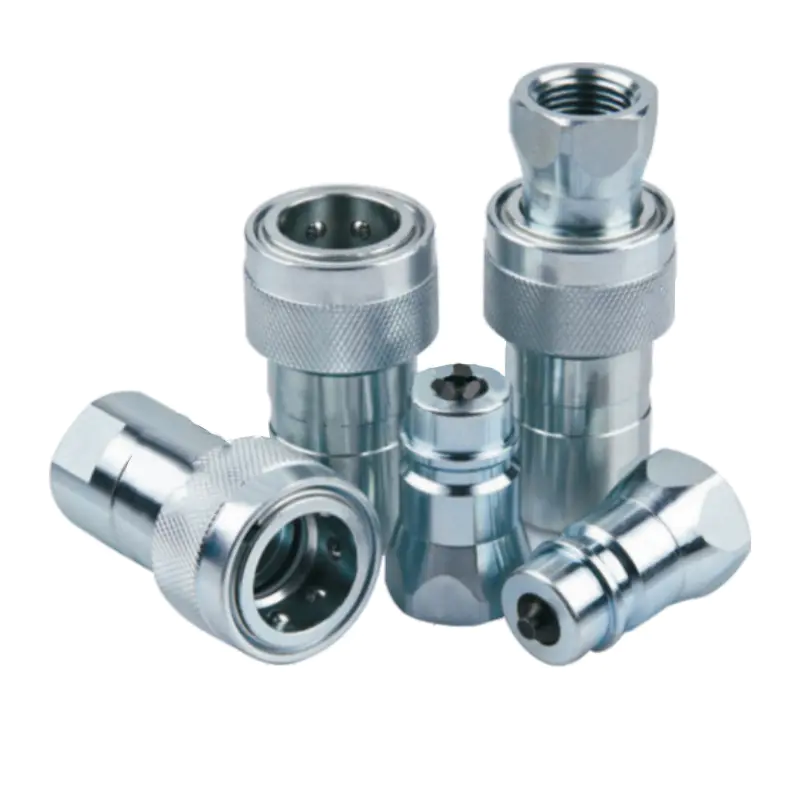
Immediate Performance Verdict
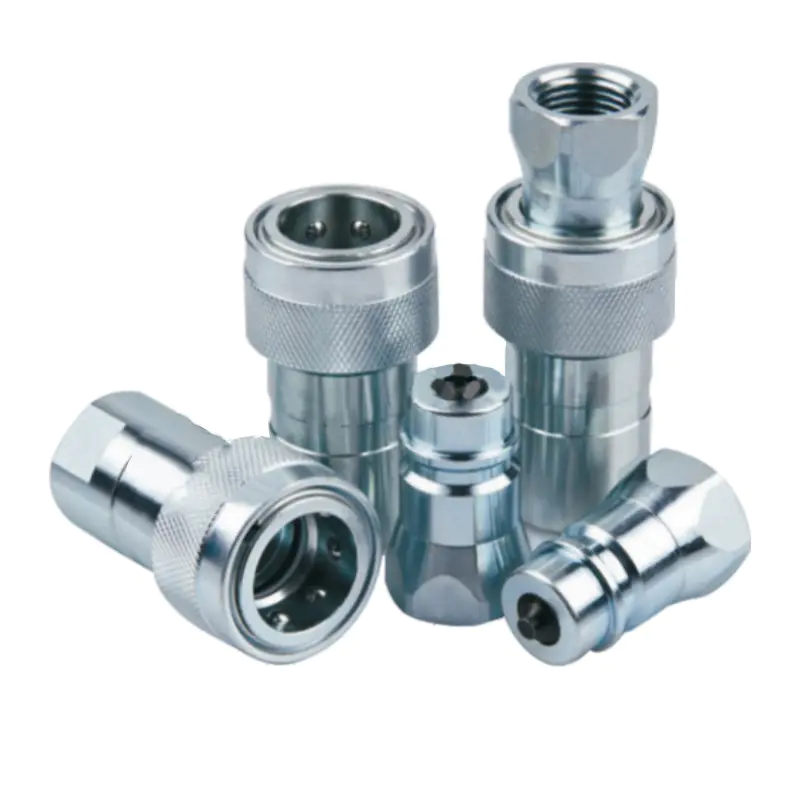
The Stainless Steel Quick Coupler performs exceptionally well in environments with extreme temperatures and pressures. Designed with high-grade stainless steel alloys and precision-engineered seals, it maintains operational integrity in temperatures ranging from -196°C to 400°C and pressures up to 1,500 PSI without leakage, deformation, or failure.
Material Composition and Thermal Resistance
The performance of the Stainless Steel Quick Coupler under extreme conditions is largely due to its material composition. Most couplers are manufactured from 316L or 304 stainless steel, which offers excellent corrosion resistance and high tensile strength. These materials maintain structural integrity even under severe thermal fluctuations, preventing warping or cracking.
The coupler’s seals and O-rings are often made of PTFE or Viton, which remain stable under both cryogenic and high-temperature conditions. For example, PTFE can tolerate temperatures down to -200°C and up to 260°C, while Viton can withstand temperatures up to 250°C, ensuring a reliable seal in both industrial and laboratory applications.
Pressure Handling Capabilities
The Stainless Steel Quick Coupler is designed to handle high-pressure systems safely. Typical pressure ratings range from 500 PSI to 1,500 PSI, depending on size and connection type. The coupler’s locking mechanism distributes mechanical stress evenly, minimizing the risk of failure under sustained pressure.
For extreme pressure testing, many couplers have been subjected to hydrostatic tests exceeding their rated pressures by 25% to ensure safety margins. This makes them suitable for hydraulic, pneumatic, and high-pressure chemical transfer systems.
Performance in Cryogenic Applications
In cryogenic environments, the Stainless Steel Quick Coupler maintains flexibility and sealing efficiency. Stainless steel’s low thermal expansion coefficient reduces stress on the coupling, while PTFE and Viton O-rings prevent leakage from extremely cold liquids like liquid nitrogen or liquid oxygen.
Typical cryogenic testing involves exposure to -196°C for extended periods. These tests confirm that the coupler retains its mechanical and sealing properties without brittle fracture or deformation.
High-Temperature Endurance
The Stainless Steel Quick Coupler also excels in high-temperature applications. Stainless steel maintains tensile strength above 400°C, and high-temperature seals ensure leak-proof operation in thermal systems or steam transfer lines.
For example, in industrial steam cleaning systems operating at 350°C, these couplers have shown no signs of metal fatigue or O-ring degradation over thousands of cycles, demonstrating their durability under continuous thermal stress.
Comparison Table of Performance Metrics
| Parameter | Typical Value | Extreme Case |
|---|---|---|
| Temperature Range | -100°C to 260°C | -196°C to 400°C |
| Pressure Rating | 500–1,000 PSI | 1,500 PSI |
| Material | 316L Stainless Steel | Custom High-Alloy Grades |
| Seal Type | PTFE / Viton | High-Temperature Viton / Silicone |
Table showing key performance metrics for Stainless Steel Quick Couplers under normal and extreme conditions.
Installation and Safety Considerations
Even though the Stainless Steel Quick Coupler is designed for extreme environments, proper installation is essential. Ensure that all connections are fully seated, and check that seals are compatible with the operating media. Incorrect installation can lead to premature wear or leakage, even at rated conditions.
In systems operating at very high pressures or temperatures, consider the use of protective guards and insulation to prevent accidental contact or thermal injury.
The Stainless Steel Quick Coupler offers reliable, leak-proof performance across a wide range of extreme temperatures and pressures. Its combination of high-grade stainless steel, engineered sealing mechanisms, and rigorous testing ensures safe and durable operation in industrial, chemical, and cryogenic applications. Proper material selection and installation practices further enhance its lifespan and safety in demanding environments.
